In this edition of AMPLIFIED we are proud to feature Les Repris de justesse – a prison radio project in France.
At Prison Radio International (PRI), we believe in the power of audio to bring people together, challenge stereotypes, and amplify voices that often go unheard. Our mission is to support and connect prison radio projects worldwide – strengthening a global movement that now includes more than 70 projects across 25 countries.
Welcome to the fifth edition of AMPLIFIED, our blog dedicated to the global prison radio community. Through AMPLIFIED, we bring together stories, updates, and opportunities that connect, inspire, and strengthen our collective mission. By sharing the voices and experiences of those behind prison radio projects worldwide, we celebrate the impact of audio in challenging perceptions, building connections, and transforming lives.
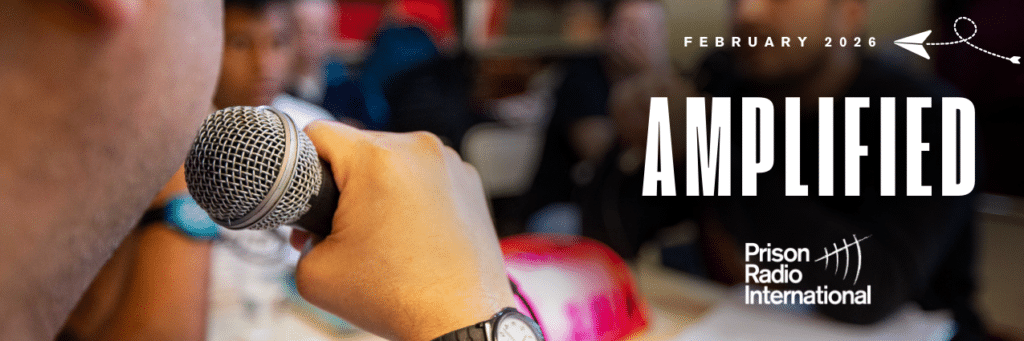
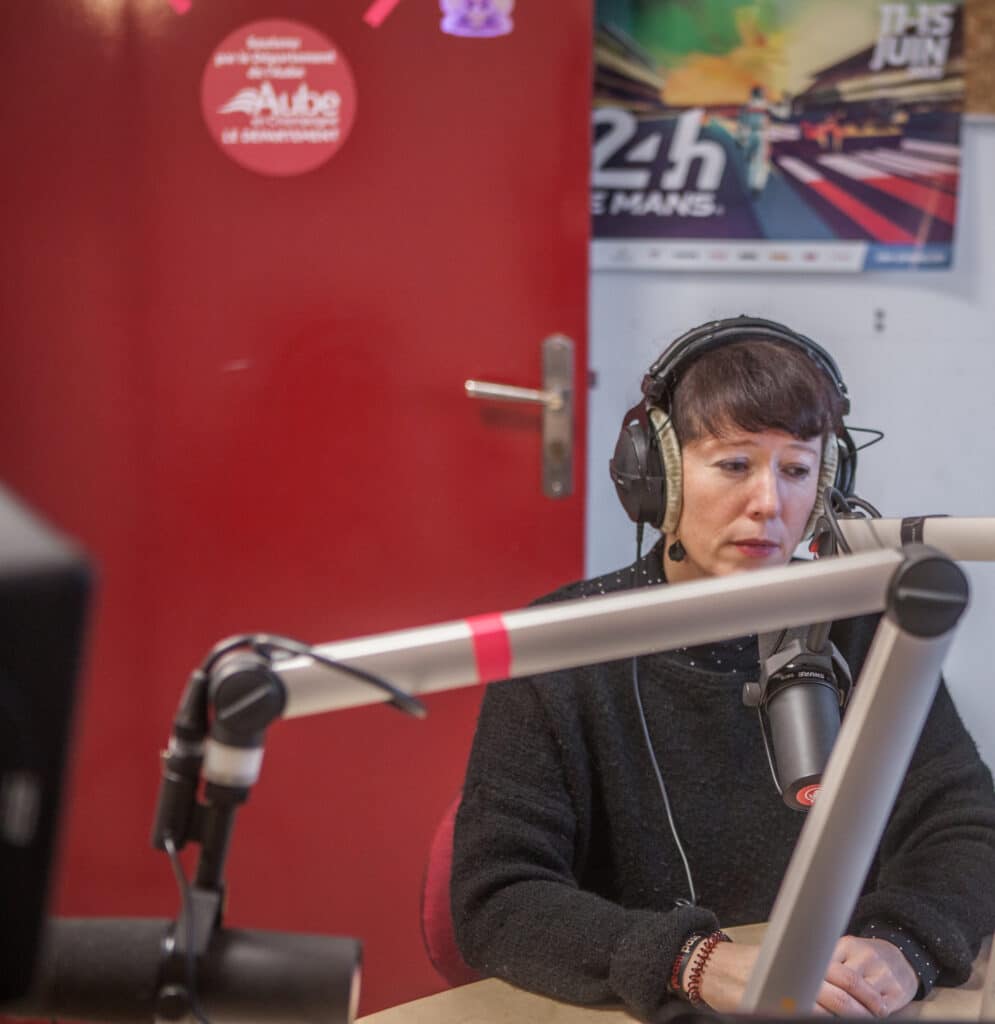
In this edition, we are proud to feature Les Repris de justesse. We caught up with Director of the station, Barbara Baudin, to learn more about their project and their vision for using audio to make a difference. Here’s what they had to say:
Project name: Les Repris de justesse
Location: France
Years in operation: Since 2021
Tell us about your project – when and how did it all start, and what is its purpose?
The adventure began when I met the director of the Troyes remand prison in 2021 during a press briefing. I work in Thème Radio, an associative radio, as a journalist, and I already had the idea of creating a project with people in prison, but I didn’t know in what form. That’s how the radio show Fréquence Taulard was born, which became Les Repris de justesse in 2024.
The initial idea was to create a program with people in prison putting themselves in the role of journalists. They learn how to conduct an interview, how to write for radio, and ultimately how to produce a complete show from A to Z.
The program evolved when the Troyes-Lavau penitentiary center opened. Today, we have computers, and the people in prison have learned how to edit audio. The radio content is produced inside the prison. I often handle part of the editing to finalize the programs and ensure they can be sent on time for approval by the prison authorities. The show is intended for Thème Radio listeners and for the families of the prisoners.
How do people react when you tell them about your involvement with prison radio?
People are often surprised that I work in a prison, especially as a woman. The reaction is either a form of admiration, fear or rejection, often accompanied by many prejudices. I try to explain what my workshops involve and their purpose, while helping to demystify the image of the prison world.
What kind of impact has your project had on people involved with the criminal justice system?
Radio workshops in prison offer many educational, social, and personal benefits. They enable people in prison to develop their oral and written communication skills, learn how to structure their thoughts, and better understand how the media works. These workshops also promote the acquisition of technical skills and teamwork, which are valuable for education, training, and professional reintegration.
On a personal level, they help strengthen self-confidence and self-esteem by valuing participants’ voices and abilities. They provide a space for expression that helps reduce stress, improve mental well-being, and break the feeling of isolation.
Finally, these projects foster social connection, encourage a positive group dynamic, and allow people in prison to look toward the future by becoming active participants in a constructive and meaningful project. I have received several letters from prisoners and ex prisoners thanking me for the time I dedicate to them, for my commitment, and for the breath of fresh air that this brings into the prison environment. I do not need impact measurements, as I can clearly see the enthusiasm and commitment of participants in the radio workshops.
How has your project influenced public opinion or the broader community outside of prison?
When I talk with people about my involvement and why I work in prison, I notice a different way of perceiving prison and a certain enthusiasm for this approach to supporting reintegration. The public can listen to the podcast Les Repris de justesse on the website www.themeradio.fr
It’s truly rewarding to hear from the family members of people in prison, and others about the remarkable work being done and the positive impact it has with Les Repris de justesse on Thème radio when they listen the podcast.
What’s been the most unexpected challenge, and how did you overcome it?
The hardest part of working in prison is adapting, as we do not have internet access for research, so we must be able to anticipate and prepare in advance. Another challenge is raising public awareness about the importance of projects like Les Repris de justesse in the reintegration process. Giving a voice to those who do not have one is also part of our role as a community radio station.
What’s your secret to keeping the project going?
Working on a project like Les Repris de justesse throughout the entire year is not always easy; we must be able to adapt to different situations, as things do not always go as planned due to a lack of resources and equipment. However, I am fortunate to work with a great team of people in prison who are motivated and proactive. It is a pleasure to see their commitment and the sense of well-being they gain from participating in the program. The idea is to vary the content to keep the team engaged and to evolve in our approach.
Do you have a favourite production/programme/show/interview?
I really enjoyed working with the prisoners on a series of programs about hip hop; it was very interesting to explore music from the 1980s. Another program I particularly appreciated was the one with journalist, war correspondent, and writer Feurat Alani. It was a very enriching experience for me as a journalist myself.
The right to communication is often taken for granted. What do you think the role of prison radio is in upholding this right, and why is it so essential for the voices of people in prison to be heard?
Radio in prison is far more than a means of communication: it offers a space of recognition, dignity, and citizenship to incarcerated individuals. By giving them a voice, it breaks invisibility and affirms their humanity, as well as their capacity for reflection and creativity. It also serves as a tool for expression and personal reconstruction, strengthening self-confidence and self-esteem.
Radio creates a bridge between life inside and outside prison, sharing life stories that go beyond caricatures of the prison world. In doing so, it fosters a more nuanced and human understanding of incarceration among the public. Finally, it stands as a civic and cultural act, asserting that access to expression and media is a lever for democracy and reintegration.
If you had to give one piece of advice to a new prison radio project, what would it be?
What would be particularly interesting would be to create a radio station within the prison. It is a very effective way to support reintegration, encourage debate and the exchange of ideas, build group cohesion and social connections, develop speaking and writing skills, and promote citizenship. It is essential to work in close cooperation with the prison authorities. We develop projects together, discuss the topics to be covered in the programs, and prepare funding applications, which are becoming increasingly difficult to secure.
What’s your vision for the future of your project?
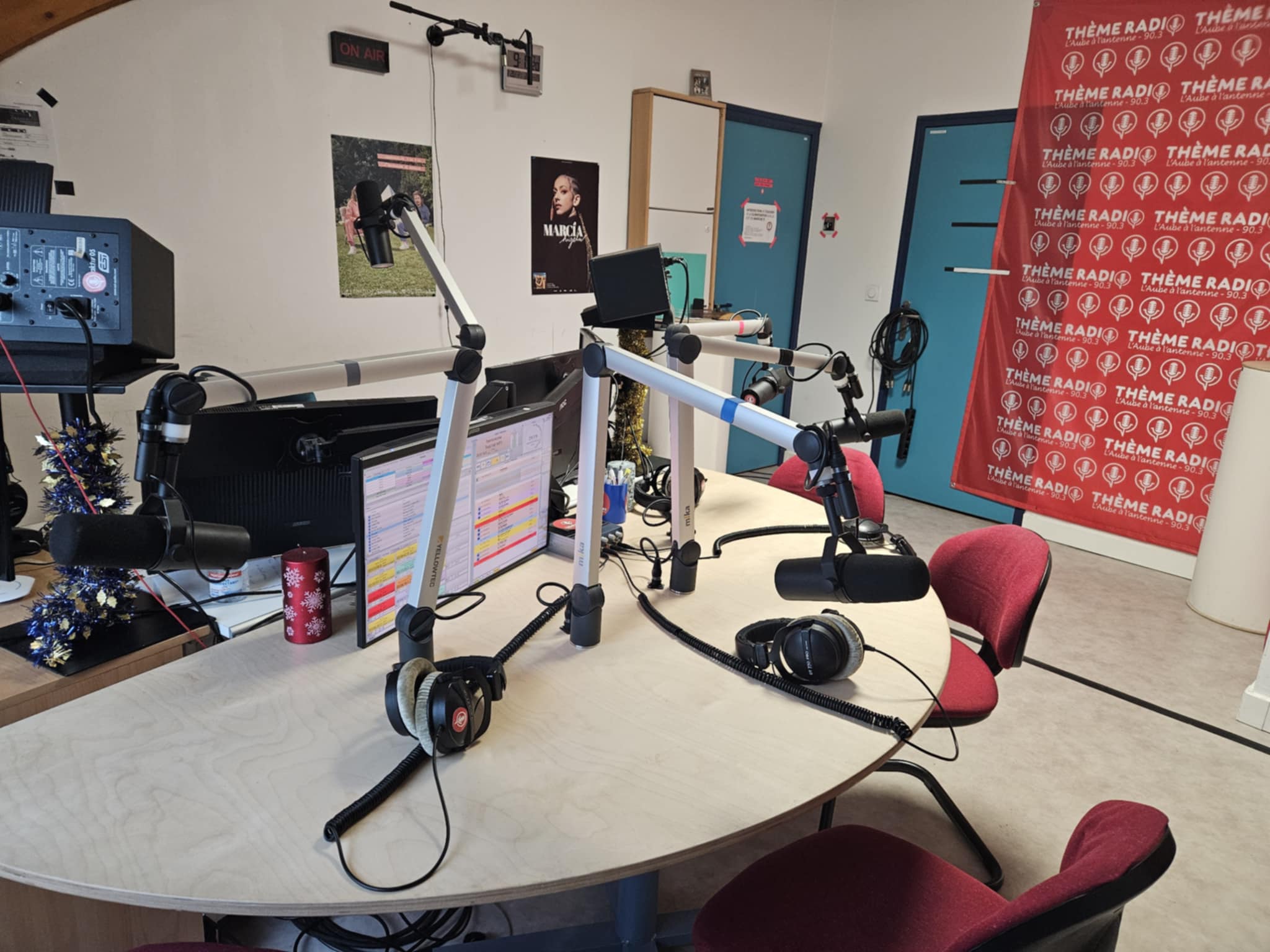
I would like us to have more funding so we can continue the project and improve the equipment available, perhaps even by creating a real radio studio with microphones. Currently, I use a recorder, and the recording equipment must be set up each time we want to use it, which requires advance planning and can be restrictive. Raising awareness of the program and increasing its audience would help improve the image of the prison environment and support reintegration. It would also be interesting to develop other programs involving people in prison’s families.
Finally, is there anything else you’d like to share with the international prison radio community?
It is a great opportunity to see what is happening in prison radio stations around the world, and for us it is a valuable showcase of our work as a community radio station with two employees. We are delighted to join the Prison Radio International network and fully support this initiative.
At Prison Radio International we know why prison radio matters. We know that quality prison radio improves and even saves lives. It provides a lifeline of communication for people in prison and their loved ones. It fosters understanding, challenges harmful narratives, and contributes to a more informed public dialogue about how we respond to criminal harm.
We know that, when done well, prison radio gives incarcerated people agency. It creates meaningful dialogue between those who run prisons and those who live in them. It can even help incarcerated people influence how prisons are run.
By supporting the development of prison radio worldwide, we want to see prisons become less damaging places, better equipped to support people through incarceration and into life after release.
If you haven’t completed our Global Prison Radio Survey yet, click here to join our community network now!
Stay connected with Prison Radio International:
X/Twitter: @prisonradioINTL
Instagram: @prisonradioINTL
And you would like to support our work and promote the power of prison radio, please donate via the big blue button below: